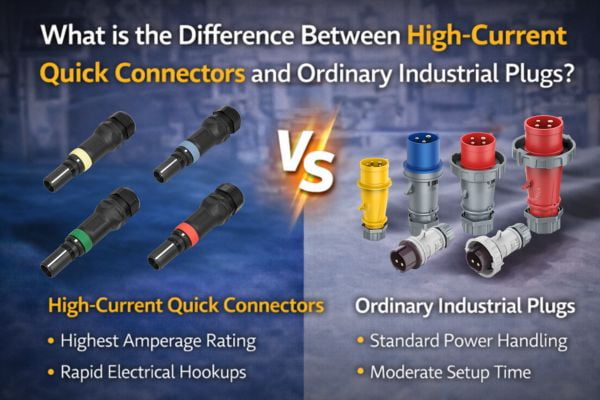
Using the wrong connector for high-current jobs is a huge risk. It can cause overheating and serious failures. Understanding the key differences ensures you choose the right, safe option.
The main differences are extreme manufacturing precision and advanced sealing design. High-current connectors require high-purity copper terminals1 machined to a tolerance within 0.02mm and a sophisticated sealing structure2 to achieve an IP65 rating3 while still allowing for quick and easy connection.
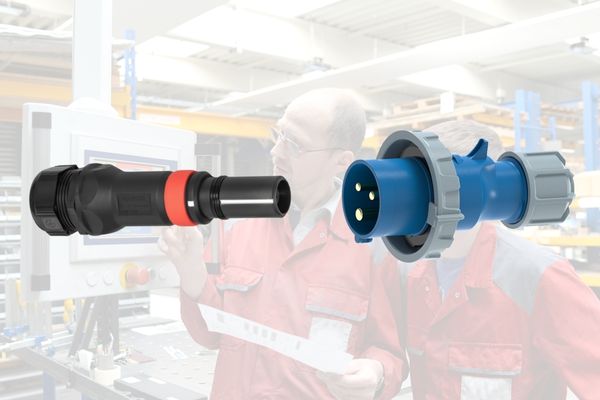
It's about more than just the size or amperage rating. The real differences are hidden in the engineering and materials. These details put them in completely different leagues. Let's break down exactly what sets them apart and why it matters for your projects.
Why is precision manufacturing4 so critical for high-current connectors?
A tiny error in a connector seems small. But under high current, that small error can cause massive heat, sparks, and complete failure. Let's see why micro-level precision is not optional.
Precision is key to prevent overheating5 and arcing. The contact surfaces of high-purity copper terminals must be machined with a tolerance of less than 0.02mm. This ensures a perfect connection, preventing dangerous heat buildup when large currents pass through.
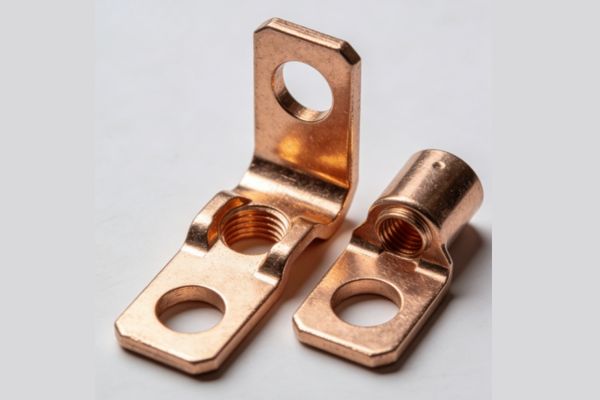
The difficulty in making high-current quick connectors is very high. Standard equipment for ordinary industrial plugs just can't meet the required precision. There are at least three core processes, and the hardest one is the precision machining of the conductive parts6. We focus on the contact surface of the high-purity purple copper terminals. The size control is critical here. The error must be controlled to within 0.02mm. If it’s not, the connection won't be perfect. This tiny gap can cause heat and arcing when a large current passes through.
This level of precision requires specialized machines. You usually find these machines in professional industrial connector factories in areas like Suzhou and Wuxi in Jiangsu, or in Dongguan in Guangdong. In contrast, smaller factories in places like Hebei or Shandong that make general low-voltage electricals typically don't have equipment that can meet this standard.
| Feature | High-Current Quick Connector | Ordinary Industrial Plug |
|---|---|---|
| Terminal Machining Tolerance | Under 0.02mm | Often over 0.1mm |
| Terminal Material | High-Purity Purple Copper | Standard Brass or Copper Alloy |
| Performance Under Load | Minimal heat, stable connection | Higher risk of overheating |
| Required Machinery | High-precision CNC machines | Standard production lines |
How do you achieve IP65 sealing without making the connector hard to use?
You need a waterproof connector for a tough environment. But many sealed connectors are incredibly stiff and difficult to plug and unplug. The solution lies in smart design and a perfect manufacturing process.
The key is a perfect balance between the silicone gasket, the housing, and the terminals. The mold and assembly process must be highly accurate. This ensures a tight IP65 seal against dust and water without creating too much friction, allowing for smooth, quick connections.
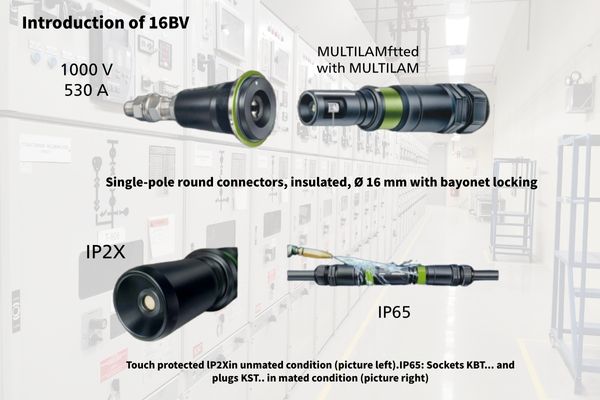
Another major challenge is the sealing structure2. To reach an IP65 protection level, we have to add a special silicone sealing gasket between the outer shell and the conductive terminals. This is where it gets tricky. We need the seal to be tight enough to keep out dust and water, but we also need to maintain the smooth feel of a "quick" connection. This means the mold and the assembly process7 must match perfectly.
Even a small deviation causes big problems. If the fit is too loose, the seal won't be tight. It will fail the waterproof and dustproof tests. If the fit is too tight, the plug becomes too difficult to insert and remove. This defeats the whole purpose of a "quick connector."
Key Design Elements
- The Silicone Gasket: The material must be flexible but durable. It has to create a solid seal without adding too much resistance.
- The Housing Mold: The groove that holds the gasket is the most important part. Its dimensions must be perfect to hold the gasket securely and apply just the right amount of pressure.
- The Assembly Process: The gasket must be seated correctly every single time. A twisted or poorly fitted gasket will compromise the entire seal.
What happens when manufacturing precision goes wrong?
Small manufacturing mistakes can happen to anyone. For high-current connectors, these small mistakes can lead to total product failure and lost clients. Let me share a real story about how we fixed one.
A tiny 0.03mm error in a mold's sealing groove caused our first sample for a German client to fail its IP65 water test. We quickly adjusted the mold and added a positioning clip. The second sample passed perfectly, strengthening our client relationship.
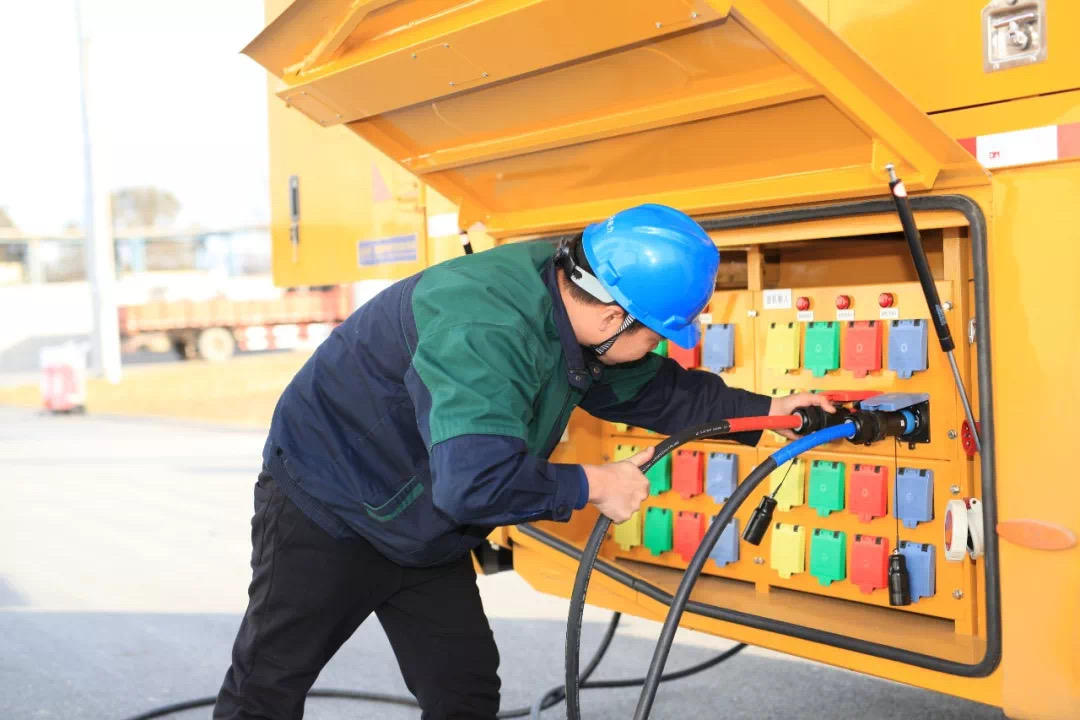
I remember the first time we worked with a German client on this product. We didn't have much experience with their specific requirements at the time. Our mold for the sealing groove was off by just 0.03mm. It seemed like an incredibly small number. However, when the client tested the sample, it failed the IP65 waterproof test. After a light water spray, the connection became unstable.
We knew we had to act fast. Our team immediately analyzed the sample and found the issue with the mold's precision. We reworked the mold to correct the dimension. But we didn't stop there. To make sure it never happened again, we also added a small positioning clip to the design. This clip helps hold the silicone gasket8 perfectly in place during assembly. We sent the new samples. They passed the tests completely. The client was very happy. They praised our quick response and our ability to improve the process. We have been working with them ever since, and we have never had that problem again.
Conclusion
The difference isn't just about current rating. It's about extreme manufacturing precision, advanced sealing that works, and the experience to solve problems when they happen. This is what defines a true high-current connector.
Learn why high-purity copper terminals are essential for performance and reliability in high-current applications. ↩
Discover how sealing structures are designed to ensure durability and reliability in connectors. ↩
Discover the significance of an IP65 rating and how it ensures protection against dust and water in connectors. ↩
Understand the impact of precision manufacturing on connector performance and safety in high-current applications. ↩
Understand the causes of overheating in connectors and how to prevent it for safety and efficiency. ↩
Explore the importance of conductive parts in connectors and how they affect electrical performance. ↩
Gain insights into the assembly process and its importance in ensuring the quality of high-current connectors. ↩
Find out how silicone gaskets contribute to the sealing and functionality of connectors in harsh environments. ↩