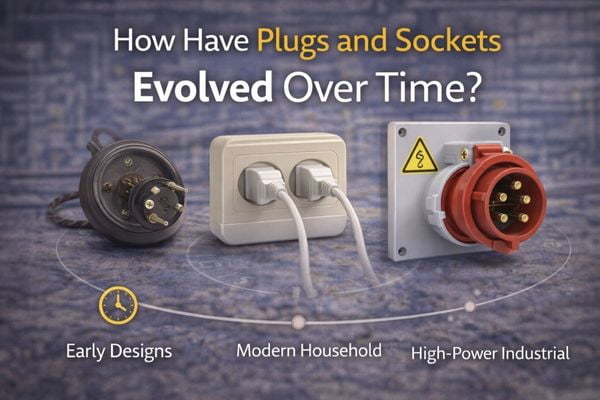
We use plugs and sockets every day, but rarely think about their history. Early versions were often unreliable and unsafe, a far cry from the dependable connectors we trust today.
The development of plugs and sockets is a story of increasing safety, standardization1, and specialization. They evolved from simple, brittle Bakelite connectors to highly reliable, standardized products with features like protective shutters and robust materials, meeting specific needs from homes to heavy industry.
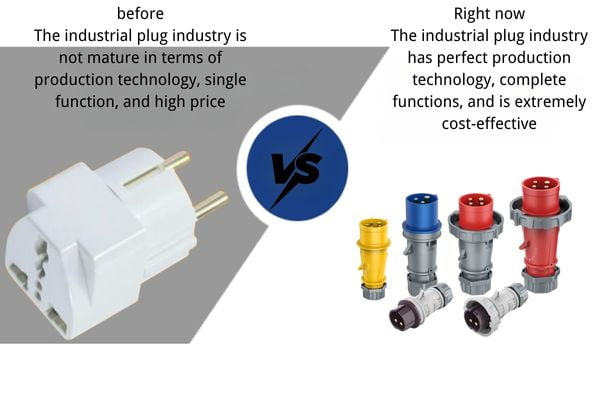
This journey from basic power access to complex industrial systems didn't happen overnight. It was a gradual process driven by a global need for safety and compatibility. Let's look at how these essential components became what they are today.
How Did Early Standards Shape the Plugs and Sockets We Use Today?
Imagine buying an appliance only to find it wouldn't fit your wall outlet. This was a common problem before standards. The lack of consistency made connecting devices a frustrating gamble.
Early standards were created to ensure interchangeability. By setting rules for dimensions and basic designs, countries like the UK and China made sure that different brands of plugs and sockets would work together. This was the first step toward the reliable electrical systems we now depend on.
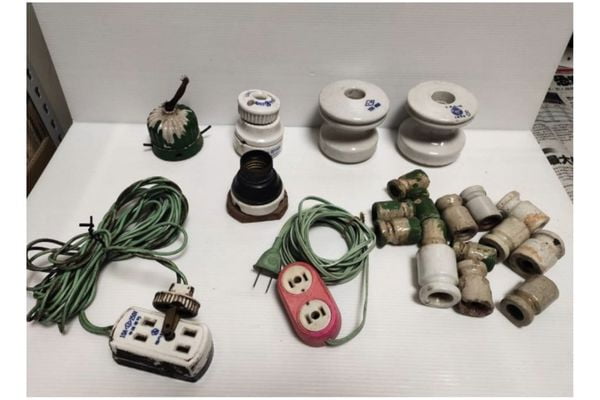
In the beginning, plugs and sockets had one simple job: to connect electrical equipment to a power supply. That was it. But for them to be truly useful, they had to be interchangeable. You needed to be able to plug any lamp into any socket. This led to the creation of national standards. As a manufacturer, I know how critical standards are. The United Kingdom was a pioneer, creating its BS 546 standard back in 1950. Around the same time, Europe established its own rules for two-pole plugs. A bit later, in 1967, China issued its first national standard, GB 1002–67. These early regulations were not about fancy features; they were about creating a unified system. They defined the basic shapes, sizes, and parameters so that mass production could begin and customers could confidently use their appliances anywhere in the country.
A Look at Early Standardization Efforts
| Region | Key Standard | Year | Main Goal |
|---|---|---|---|
| United Kingdom | BS 546 | 1950 | Unify plug and socket types and dimensions. |
| Europe | Various | 1950s | Ensure interchangeability for two-pole connectors. |
| China | GB 1002–67 | 1967 | Define parameters for single-phase plugs and sockets. |
Why Were Early Plugs and Sockets So Unsafe?
Think about the old electrical items you might see in a museum. Many early plugs and sockets were made from a material called Bakelite, which was very brittle and could easily crack.
Early plugs and sockets, often made of fragile Bakelite2, were unsafe because the material could break easily. Their internal contacts also wore out fast, causing poor connections and fire risks. The lack of safety features like protective shutters3 also created a serious electric shock hazard.
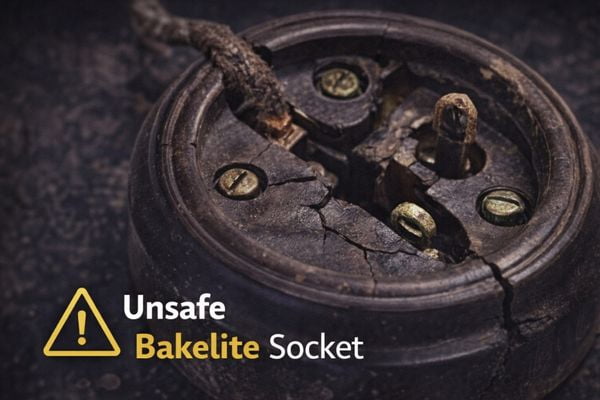
From the 1950s to the 1970s, production of plugs and sockets ramped up. In my industry, we refer to this as the "Bakelite era." Most products were made from black phenolic resin, or Bakelite. The designs were simple: just single-phase two-pin or three-pin connectors. However, they had major flaws. The Bakelite housings were brittle and would crack or shatter if dropped, exposing live parts. Inside, the metal sleeves that gripped the plug pins would lose their elasticity after just a few uses. This resulted in a loose connection, which could cause overheating or even fires. There was very little focus on safety. As our society developed, people demanded more. They wanted products that were not only functional but also safe and strong. This pushed manufacturers like us to innovate. We started using better materials and adding features like protective shutters to prevent children from sticking things into the socket.
The Shift from Bakelite to Safer Designs
| Feature | Early Bakelite Plugs | Modern Industrial Plugs |
|---|---|---|
| Housing Material | Phenolic Resin (Brittle, breaks easily) | PA66/PC (Durable, impact-resistant) |
| Contact Quality | Unstable, wears out quickly | Stable and reliable over thousands of uses |
| Safety Features | Almost none | Protective shutters, better insulation, secure locking |
| Overall Reliability | Low, prone to failure | High, designed for demanding environments |
How Did Industrial Needs Change Plug and Socket Design?
A regular household socket simply can't survive in a factory. It's not built for the dust, water, and heavy use found in industrial settings. Using the wrong connector there is asking for trouble.
Industrial environments required plugs and sockets to be more than just power connectors. This led to specialized designs with features like waterproofing (IP ratings4), dust-proofing, and explosion-proof5ing. These products are built for maximum safety and reliability in the toughest conditions.
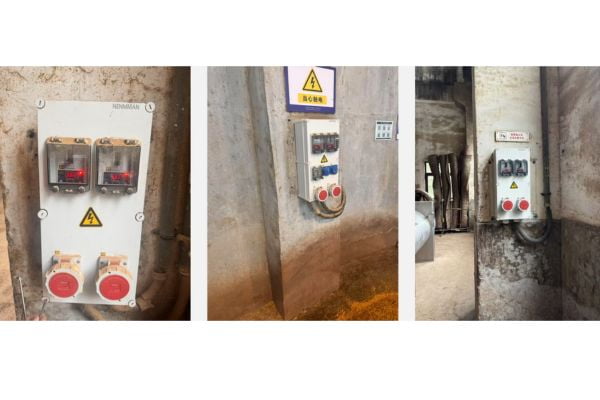
As industries grew, so did their power needs. Standard plugs were not enough. A construction site needs portable power that can handle rain and dirt. A food processing plant needs connections that can be washed down. A chemical plant needs plugs that won't create a spark in a flammable atmosphere. This is where my company's expertise really comes into play. We developed products specifically for these challenges. This includes industrial plugs and sockets compliant with IEC 60309, which are color-coded by voltage and built to last. We also created mechanical interlocks6, a crucial safety feature that prevents someone from unplugging a connector while it's under load. We even developed explosion-proof versions for hazardous locations and special reefer plugs for the cold chain logistics industry. Today, the trend continues with smart, remote-controlled, and energy-saving sockets that give operators even more control and safety.
Matching Industrial Solutions to Specific Needs
| Industrial Need | Solution | Key Feature | Example Application |
|---|---|---|---|
| Wet or Dusty Area | IP67 Rated Sockets | A fully sealed, waterproof, and dust-tight design. | Outdoor events, marine docks |
| High-Current Machinery | Mechanical Interlocks | The switch cannot be turned on until the plug is fully inserted. | Factory assembly lines, large motors |
| Explosive Atmosphere | Explosion-Proof Plugs | Non-sparking materials and a secure, sealed connection. | Oil rigs, chemical processing plants |
| Refrigerated Shipping | Reefer Container Plugs | A specific 3H or 4H pin configuration for power. | Ports, logistics hubs |
Conclusion
Plugs and sockets have transformed from simple connectors to safe, standardized, and specialized solutions. This evolution continues to meet the ever-growing demands for safety and reliability in all environments.
Understand the role of standardization in ensuring compatibility and safety in electrical systems. ↩
Explore the history and properties of Bakelite, a material that shaped early electrical connectors. ↩
Discover how protective shutters prevent accidents, especially in homes with children. ↩
Explore how IP ratings indicate the level of protection against dust and water in plugs and sockets. ↩
Learn about explosion-proof plugs designed for hazardous environments and their safety benefits. ↩
Understand how mechanical interlocks enhance safety by preventing accidental disconnections. ↩